The TASTE of DEVOTION
At the heart of monastic cooking is simplicity
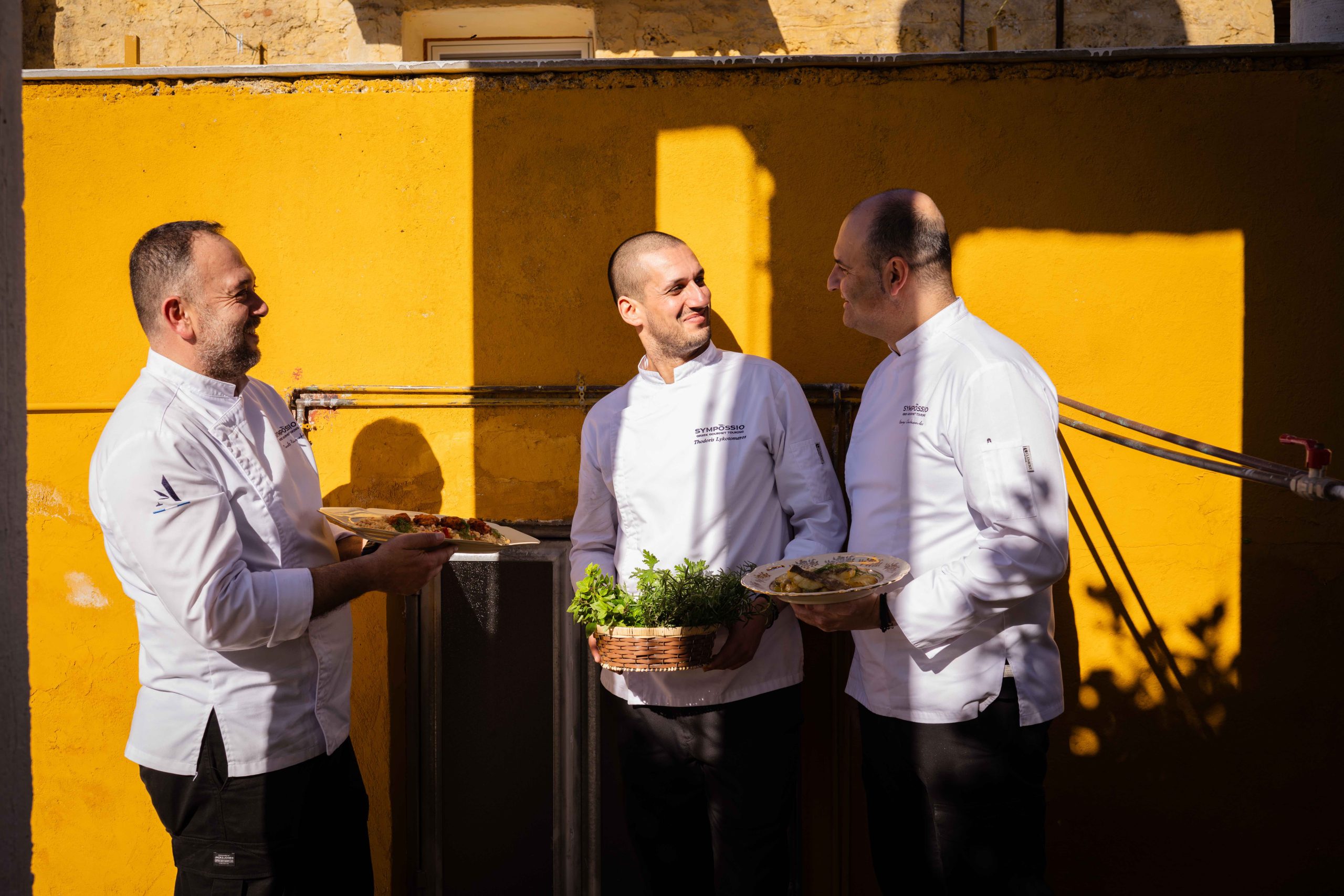
Across Greece, food has always been more than nourishment. It is ritual, memory, and a quiet expression of values. In 2026, Sympossio turns to one of the most profound sources of Greek culinary wisdom: monastic cuisine. Rooted in centuries of spiritual practice and shaped by the rhythms of nature, monastery kitchens offer a model of eating that feels both ancient and deeply relevant today. Simple, pure, nourishing, and respectful of the world around us, monastic food tells a story of balance, humility, and care.
While Mount Athos is often mentioned as a spiritual and culinary reference point, the essence of monastic cuisine lives throughout Greece. It is found in small monasteries, village kitchens, and regional traditions shaped by faith, land, and restraint. For Sympossio 2026, this philosophy is grounded in our own place. Just minutes from Aldemar Olympian Village stands the historic Monastery of Skafidia in Ileia, a living example of how monastic life and gastronomy continue to shape the Peloponnese.
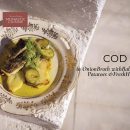
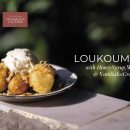
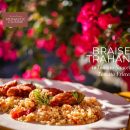
The Monastery of Skafidia is more than a spiritual landmark. It is part of the cultural fabric of the region and a quiet guardian of traditions passed down through generations. Its gardens, kitchens, and daily rhythms reflect values shared across monastic Greece: simplicity, hospitality, and respect for food. Our collaboration with this monastery connects the Sympossio concept directly to the land our guests experience. It roots monastic cuisine not in distance or myth, but in a real, nearby place with living traditions. At the heart of monastic cooking is simplicity. Ingredients are humble but chosen with care: legumes, wild greens, herbs, olives, grains, bread, seasonal vegetables, and fresh fish. Olive oil is used thoughtfully, herbs are gathered from monastery gardens, and nothing is wasted. Every peel, every stem, every crumb has value. Vegetable trimmings become broths. Bread that grows stale is transformed into rusks or thickens soups. Even olive pits and herb stalks are dried and reused. This no-waste philosophy is not a trend. It is a way of life built on gratitude and respect for resources. Equally important is the idea of sharing. In monasteries, meals are communal and modest. Food is placed at the center of the table to be passed from hand to hand. There is no hierarchy in eating. Everyone
receives the same dish, prepared with the same care. This practice reinforces equality and mindfulness. You eat what is offered, you eat enough, and you leave the table without excess. In a world shaped by overconsumption, this restraint feels quietly powerful. It teaches that satisfaction comes not from quantity, but from presence and appreciation.
Nutritionally, monastic cuisine aligns naturally with what modern wellness promotes. It is largely plant based, rich in fiber, antioxidants, healthy fats, and natural proteins. Legumes provide sustained energy. Olive oil supports heart health. Wild greens and herbs bring vitamins and minerals. Fish adds light, clean protein. Fasting periods, common in monastic life, give the body time to reset. Without aiming for trends, monks created a cuisine that supports longevity, clarity, and balance. It is food that nourishes both body and spirit. Monastic cooking is also guided by rhythm and season. Recipes follow the agricultural cycle and the Orthodox calendar. Spring brings tender greens and fresh herbs. Summer offers tomatoes, cucumbers, eggplants, and beans. Autumn fills the pantry with lentils, chickpeas, nuts, and preserved vegetables. Winter turns to hearty soups and baked legumes that warm and sustain. This seasonal awareness keeps food honest and connected to place, and it is exactly this connection that Sympossio 2026 wants to share with its guests.
Monastic cuisine also teaches patience. Dishes simmer slowly. Bread ferments naturally. Beans soak overnight. Time is an ingredient. There is no rush to impress, only a desire to nourish. In a fast paced world, this slowness becomes part of the luxury. It invites guests to pause, taste more deeply, and reconnect with food as a meaningful act. Ultimately, the Taste of Devotion is about values. Respect for nature. Respect for the body. Respect for community. Respect for tradition. By embracing monastic cuisine, Sympossio 2026 does more than present flavors. It offers a way of thinking about food and life. It reminds us that the most powerful dishes come from the simplest ingredients, prepared with care, shared with others, and eaten with gratitude.
In this sense, monastic cuisine is not a relic of the past. It is a guide for the future. A future where gastronomy is rooted in culture, sustainability, wellness, and story. Sympossio 2026 invites the world to discover these sacred, soulful flavors and to experience Greek heritage, and the Peloponnese not only a destination, but a source of meaning, flavor, and identity.
ULTIMATELY, THE TASTE OF DEVOTION IS ABOUT VALUES.
RESPECT FOR NATURE. RESPECT FOR THE BODY. RESPECT FOR COMMUNITY. RESPECT FOR TRADITION.